Kanjivaram vs Banarasi Sarees: Which Silk Wins for Your Wedding Day?
ArticlesExplore South Indian brocade brilliance against North Indian gold-thread artistry in this guide to finding the ultimate bridal silk. Compare weave techniques, colour palettes and draping styles to pick the perfect heirloom drape for your special celebration.
Every Indian wedding is an immersive celebration of heritage, artistry, and opulence—none more so than in the bridal ensemble that graces the occasion’s heart. The choice of bridal silk is an act laced with memories and meaning, as every thread weaves a story to be cherished through generations. Two traditions have long set the gold standard for this textile reverie: the South Indian brocade saris and the North Indian gold-thread masterpieces. Both possess a legacy rich in culture and elegance, and each beckons with its unique brilliance. Exploring these iconic silks is not just about style, but about discovering a drape that reflects your own identity and celebrates the cultural mosaic of Indian weddings.
The Splendour of South Indian Brocade
The aura of South Indian brocade saris, particularly those from regions like Kanchipuram, Mysore, and Pochampally, is inimitable. Woven from lustrous mulberry silk and accentuated with pure zari (gold or silver threads), these saris are prized for their solidity, sheen, and intricate motifs. The creation of each South Indian brocade sari is a tale of meticulous craftsmanship—a journey from traditional wooden handlooms to bridal trousseaus.
South Indian sarees are renowned for their vibrant colour palettes. Striking magentas, deep reds, temple golds, lush greens, and regal blues dominate their spectrum, reflecting the exuberance of the southern festive spirit. Traditional motifs, such as peacocks, temple borders, elephants, and florals, are elegantly woven in zari, paying homage to regional artistry passed down through centuries.
Weaving Techniques and Details
The hallmark of South Indian bridal silk lies in its purity and density. The Kanchipuram sari, for example, is famed for its interlocking weft technique, where the contrasting border, body, and pallu are woven separately before being brought together with remarkable finesse. This ensures a sturdier finish and an impressive luster, making the drape both grand and enduring. The silk’s hand-feel is distinct: weighty, smooth, and undeniably royal—perfect for the grandeur of a South Indian wedding ceremony.
Draping Styles: A Celebration of Tradition
Beyond its craft, the way the sari is draped enhances its beauty. The classic Madisar (worn by Tamil Brahmin brides), the Coorgi style, and the modern Nivi drape allow the glowing borders and ornate pallus to take center stage. Jewellery is thoughtfully layered to complement the sari’s richness—think temple necklaces, layered bangles, traditional waistbands, and elaborate hair adornments.
The North Indian Gold-Thread Artistry
Journeying north, one encounters the equally riveting world of silk artistry, where gold-thread embroidery, or zari work, is the crown jewel. North Indian bridal saris—exemplified by Banarasi and Paithani silks—combine lustrous silk bases with intricate, metallic threadwork, resulting in a fabric that shimmers with bridal magnificence.
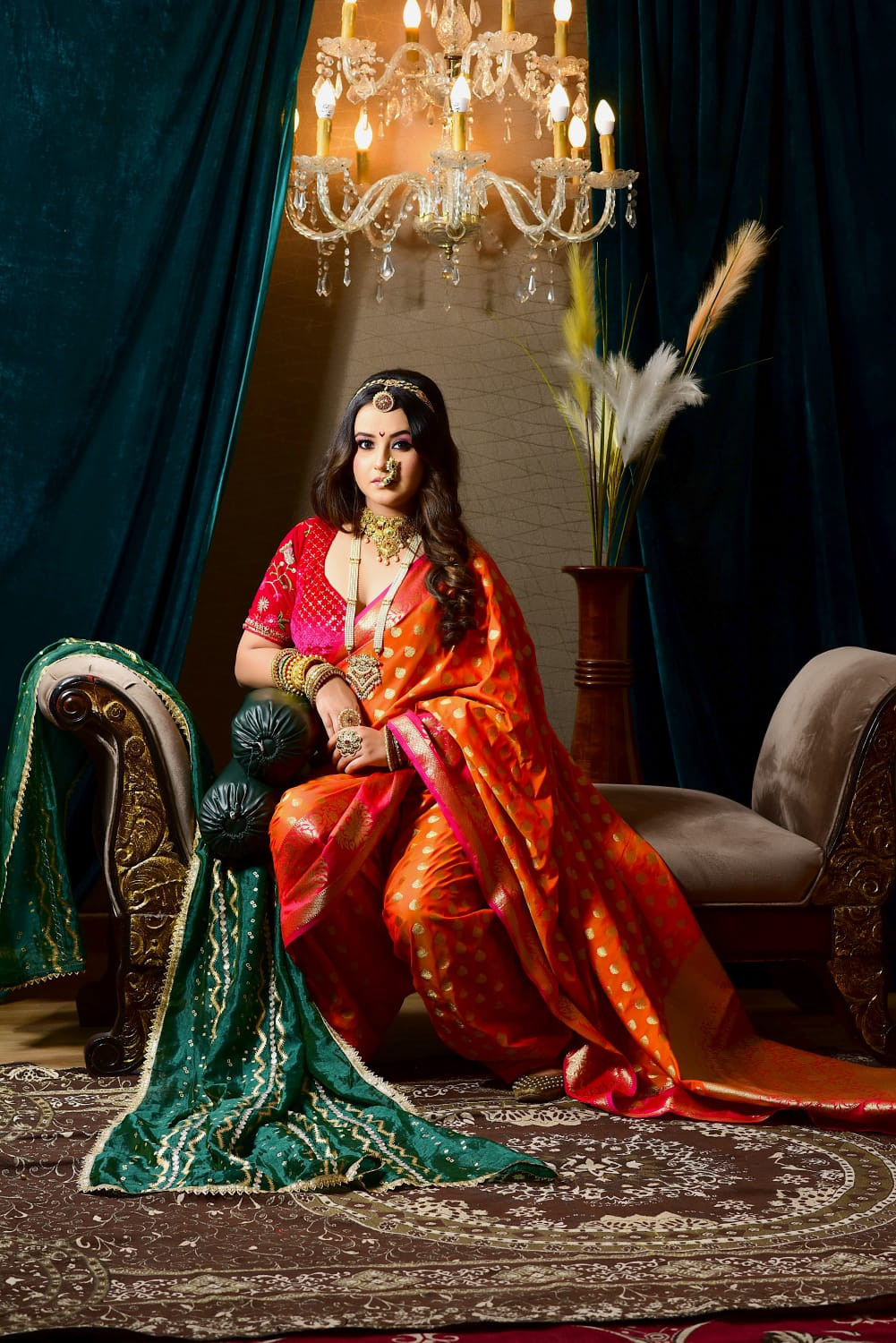
Banarasi saris, hailing from the sacred city of Varanasi, are a cherished heirloom, celebrated for their luxurious, often lightweight drape, and astonishingly detailed patterns. Floral jaals, Mughal paisleys, leafy vines, and brocaded bootis fill the sari’s expanse, while the gold thread infuses majesty and timeless appeal. The Paithani sari from Maharashtra, though less commonly discussed, is equally distinguished—its signature borders and peacock pallu motifs are woven in real zari against brightly dyed silk.
Colour Palettes and Inspirations
The North’s bridal silk favours deep reds, striking maroons, glowing pinks, and sometimes ethereal off-shades enhanced by metallic highlights. These tones reflect the grandeur of North Indian festivities—rich, vibrant, and suited to opulent wedding mandaps bathed in marigold and rose.
Weave Techniques and Bespoke Touches
Banarasi weaving is an intricate process involving multiple artisans, each contributing to a sari’s body, border, and pallu on traditional looms. The signature brocade work, in which gold and silver threads are skillfully woven alongside coloured silks, bestows a unique, luminous character. Paithani saris, meanwhile, use the tapestry weaving technique, interlocking silk threads for detailed motifs and reversible borders.
North Indian bridal silks often incorporate contemporary touches: lighter weights for comfort, modern motifs, and even custom colour dips to suit personal preferences. The brocade’s fine detailing and airy fall make them popular for elaborate ceremonies and receptions alike.
Draping the North Indian Sari
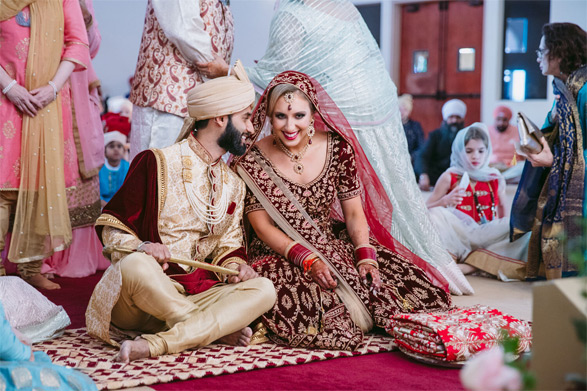
The North Indian drape—usually the Nivi or seedha pallu style—allows the pallu to cascade gracefully, showcasing intricate embroidery. Brides may pair these saris with veils or dupattas, adorned with Gota Patti or zardozi, adding drama and dimension to the ensemble. Jewellery tends to be elaborate: choker sets, mathapattis, nose rings, and ornate bangles echo the sari’s opulence, creating a magnificent bridal portrait.
Choosing Your Heirloom Bridal Silk
As a bride-to-be, selecting your ultimate silk sari is both a privilege and a meaningful passage. Start by envisioning your wedding’s aesthetic and cultural milestones. Is your celebration a traditional ceremony beneath temple bells, or a grand northern revelry adorned with roses and gold?
If you are drawn to the legacy of South Indian silk, look for authentic Kanchipuram or Mysore brocades. Pay attention to purity—a hallmark of heirloom quality is the weight and texture of genuine silk and real zari. Examine the motifs; if you value symbolism, temple borders or peacock pallus might hold a special place in your heart. Experiment with draping styles ahead of time to see which flatters you most and resonates with your family’s customs.
For those captivated by North Indian artistry, consider a luxurious Banarasi or a heritage Paithani. These saris are known for their feather-light grace despite their richly adorned surfaces. Look for minute detailing in the zari, especially in vintage or handloom pieces. Contemporary brides may choose unusual shades—ivories or pastels—paired with contrasting blouses to blend tradition with individuality.
Blending Traditions: A Contemporary Bridal Canvas
Modern Indian weddings often celebrate unity in diversity. Brides today sometimes choose to wear a South Indian brocade for the main ceremony and switch to a North Indian Banarasi for a reception—or vice versa. This beautifully honors both family traditions or merges the vibrant artistry of India’s north and south in one wedding album.
Custom tailoring and innovative styling approaches can make your bridal silk a reflection of personal story. Consider fusing a classic Kanchipuram sari with a draped dupatta or layering a Banarasi with temple jewellery. Multi-generational heirlooms may be restored, re-embroidered, or paired with new-age blouses, bringing ancestral elegance into the modern age.
Caring for Your Silk Heirloom
A bridal silk sari is as much a legacy as an ensemble. To ensure that your chosen drape remains luminous for years, proper care is vital. Always dry clean after use, store in a muslin cloth away from direct sunlight, and refold it periodically to prevent creasing at the same lines. Genuine zari work deserves special attention; avoid splashes of water, perfumes, or cosmetic powders. Treasured with such care, your bridal silk will one day grace another celebration, passing on the stories woven within its threads.
The Silk That Tells Your Story
The quest for the ultimate bridal silk—be it the resplendent South Indian brocade or the shimmering North Indian masterpiece—is a celebration of India’s weaving heritage and your own distinctive journey. Both traditions offer irreplaceable elegance and artistry; each promises to transform your wedding day into a tableau of beauty and tradition. Trust in your instinct, take inspiration from your roots, and let the silk you choose drape you in the timeless artistry that makes every Indian wedding unforgettable.
May your bridal silk be not just a garment, but the beginning of an heirloom that celebrates your love, heritage, and the radiant future ahead.