Indoor Wedding Photography Guide: How to Get Great Shots Without Natural Light
ArticlesPlanning an indoor celebration? Discover thoughtful photography tips to capture beautiful wedding moments, flattering portraits, and memorable details even in low-light venues. This guide helps couples and wedding planners create stunning images while making the most of their indoor setting and available lighting.
An indoor wedding can be wonderfully intimate, elegant, and full of atmosphere. From the soft glow of a decorated mandap to the quiet emotion of a bridal portrait, an enclosed celebration offers countless opportunities for meaningful photographs. However, indoor venues often bring challenges such as limited natural light, mixed lighting sources, reflective surfaces, and smaller spaces.
With thoughtful planning, these challenges can become part of the visual character of your wedding album. The right use of available light, considered venue arrangements, and a clear understanding of the moments you want captured can help create photographs that feel bright, natural, and deeply personal.
Understand the Venue Before the Wedding
A photography plan begins with understanding the indoor venue. Visit the space with your photographer before the wedding if possible. Observe where the natural light enters, how bright the rooms are at different times of day, and whether there are areas that may appear dark or crowded.
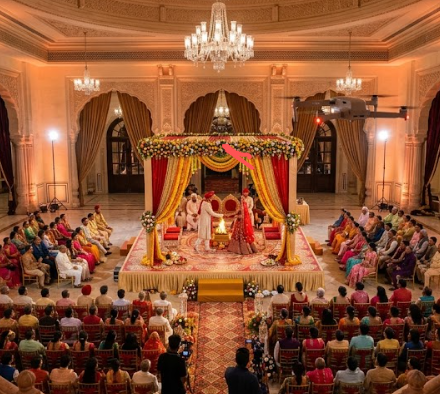
Take note of windows, entrances, balconies, corridors, and open areas. These spaces may offer softer light for portraits or quieter backgrounds for emotional moments. Also consider the placement of the mandap, stage, dining area, seating, and décor. A beautiful setup can look very different in photographs depending on its position and the direction from which it is captured.
Sharing the wedding schedule with the photographer is equally important. Knowing when the bridal entry, varmala, pheras, family portraits, and reception moments will take place allows the photography team to prepare for the available light and position themselves discreetly.
Make the Most of Natural Light
Natural light is one of the most flattering sources of illumination for wedding photography. Even in an indoor venue, windows and open doorways can provide a soft, refined glow. If the venue has large windows, consider arranging portraits or smaller candid moments nearby.
For bridal portraits, window light can beautifully highlight the details of the outfit, jewellery, makeup, and expressions. Standing slightly away from the window may create a gentle fall of light across the face, while facing the window can produce a clean and luminous portrait. Your photographer can guide the exact position based on the intensity and direction of the light.
Avoid placing important ceremonies directly under harsh, uneven light if the venue allows flexibility. Strong light from one side can create deep shadows, while bright overhead lighting may make faces appear less defined. A balanced arrangement helps the couple and guests look more natural in photographs.
Use the Venue Lighting Thoughtfully
Indoor venues often use a combination of ceiling lights, chandeliers, decorative lamps, candles, and coloured lighting. These elements contribute to the mood of the celebration, but they can also affect skin tones and image clarity.
Before the event begins, discuss the lighting with the venue team and photographer. If possible, avoid lighting that is excessively bright, strongly coloured, or directed straight at the face. Warm lighting can create a romantic atmosphere, while controlled white light can help preserve the natural appearance of expressions and attire.
Decorative lighting should support the photographs rather than overpower them. A well-lit stage, evenly illuminated mandap, and softly lit entrance can make important moments easier to capture. If the décor includes fairy lights, candles, or lamps, ensure that they remain visible without making the people in front of them too dark.
Plan the Main Portrait Areas
In a low light venue, it is helpful to identify one or two dedicated areas for portraits. These locations do not need to be elaborate. A decorated wall, a well-lit corner, a window, or a section near the stage can become an attractive setting when the background is clean and the light is flattering.
Keep the area free from unnecessary furniture, loose wires, extra chairs, or items that may distract from the couple. The background should complement the wedding outfits and décor without taking attention away from the subjects.
For family portraits, choose a space wide enough to accommodate everyone comfortably. Indoor group photographs can quickly feel crowded, especially when guests are standing close to walls or furniture. Allowing enough room helps the photographer create balanced compositions and makes it easier for everyone to look relaxed.
Capture the Details Before the Celebration Begins
Indoor wedding photography is not limited to ceremonies and portraits. Details such as invitation cards, bridal jewellery, bangles, footwear, floral arrangements, table settings, wedding rings, and carefully arranged décor add depth to the final album.
Ask the photographer to capture these elements before guests arrive or before the venue becomes busy. At this time, the décor is fresh, the arrangements are undisturbed, and the photographer can work with greater control over the available light.
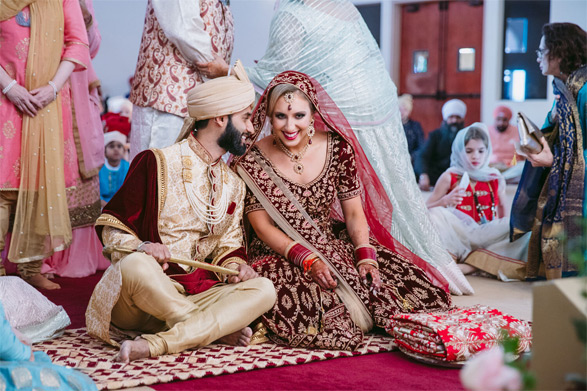
Small details often tell the story of the celebration. The texture of a saree, the embroidery on a sherwani, the placement of flowers, or the glow of lamps can become memorable images when photographed with care. These photographs also create visual transitions between larger moments in the wedding album.
Create Space for Candid Moments
Indoor celebrations are often filled with close interactions. Family members gather around the couple, friends share conversations, and relatives participate in preparations. These moments can make the wedding album feel warm and genuine.
Encourage the photographer to observe rather than interrupt these interactions. Candid photographs work best when people are allowed to remain present in the moment. A quiet exchange between the couple, a parent adjusting a dupatta, or friends reacting to the wedding rituals can be more meaningful than a posed image.
Since indoor venues may have limited space, the photographer should move carefully and remain aware of guests. Open pathways, organised seating, and clear access around the ceremony area make it easier to capture natural moments without disrupting the celebration.
Prepare for Flattering Couple Portraits
Couple portraits are an important part of every wedding album, and they deserve a little planning. If the indoor venue has limited light, schedule a short portrait session during the brightest available part of the day or in the best lit area of the venue.
Choose poses that feel comfortable and natural. The couple can stand close, walk slowly through the venue, exchange a glance, or take a quiet moment together away from the guests. These simple interactions often create more expressive photographs than complicated poses.
Pay attention to the direction of the light and the position of the couple’s faces. Soft light from the front or side generally creates a gentle appearance, while direct overhead light may create unflattering shadows. The photographer can make small adjustments to posture and positioning to ensure that both faces are well lit.
Keep the Background Clean and Balanced
A beautiful photograph depends not only on the subject and light but also on what appears behind them. Indoor venues may include decorative panels, seating areas, service counters, signage, or groups of guests in the background. These elements can make an image feel busy if they are not considered carefully.
Before important photographs, look behind the couple or the person being photographed. A simple shift in position can remove a distracting object from the frame. Clean backgrounds also make colours, jewellery, expressions, and wedding attire appear more prominent.
At the same time, the background should reflect the character of the venue. The aim is not to remove every detail but to select details that add meaning and atmosphere. A softly illuminated mandap, floral arrangement, or elegant stage can provide context while keeping attention on the couple.
Coordinate with the Wedding Team
Good indoor wedding photography depends on coordination between the couple, photographer, planner, décor team, and venue staff. Share the photography priorities in advance, especially if there are specific family combinations, rituals, or details that must be documented.
The planner can help maintain a clear path during the bridal entry, varmala, and ceremony. The décor team can ensure that the mandap, stage, and key areas receive balanced lighting. Family members can also be informed about the timing of group portraits so that important people are available when needed.
A well planned schedule reduces unnecessary waiting and allows the photographer to focus on the celebration. It also gives the couple a few calm moments for portraits without making the day feel rushed.
Be Ready for Changing Light
Indoor lighting can change as the celebration progresses. Daylight may fade, decorative lights may be switched on, and the venue may become more crowded. Discuss these changes with the photographer before the wedding so that the photography approach can adapt throughout the event.
Some moments may look best with the natural light available earlier in the day, while evening photographs may benefit from the warm glow of the décor. The photographer should be prepared to work with both conditions while keeping the images visually consistent.
Couples should also remain flexible. If a particular area becomes too crowded or the light changes unexpectedly, another part of the venue may offer a better setting. A calm approach allows the photographer to find new opportunities without affecting the mood of the celebration.
Focus on Emotion Over Perfection
Low light and indoor settings may require careful technical planning, but the heart of wedding photography remains emotion. A photograph becomes memorable because it captures how the couple and their families felt, not only because it is perfectly lit.
Allow genuine reactions to unfold. Laugh during the preparations, stay connected during the rituals, and take quiet pauses together when possible. These natural expressions bring warmth and individuality to the photographs.
The most beautiful indoor wedding images often combine atmosphere with feeling. The soft glow of a lamp, the details of the décor, and the expressions of loved ones can come together to create photographs that feel intimate and timeless.
An indoor wedding offers a setting where every moment can be captured with intention. By studying the venue, using available light carefully, planning portrait areas, and coordinating with the wedding team, couples can create a collection of photographs that feels polished yet personal.
The key is to work with the character of the space rather than against it. Whether the celebration takes place in a softly lit hall, an elegant banquet room, or a beautifully decorated indoor venue, thoughtful photography planning can preserve the details, emotions, and atmosphere of the day for years to come.