Trending Arabic Designs in Mehndi for Weddings
Mehndi ArtistExplore a curated selection of elegant Arabic mehndi motifs perfect for your special day. From intricate florals to bold geometric accents, these modern henna styles blend tradition with contemporary flair. Get inspired planning your wedding look with the most sought-after bridal mehndi trends.
Every bride dreams of a wedding day adorned with personal touches reflecting her unique sense of style and heritage. Among these cherished elements, bridal mehndi stands out as both a traditional blessing and an artistic celebration. Today, Arabic mehndi motifs are captivating modern brides with their elegant fusion of classical beauty and contemporary charm. From delicate florals winding gracefully across the hands to bold geometric accents weaving intricate stories, Arabic mehndi holds the promise of distinctive sophistication—perfect for your unforgettable day.
The Timeless Appeal of Arabic Mehndi
The art of Arabic mehndi, renowned for its flowing lines, elegantly spaced patterns, and striking finesse, offers a refreshing alternative to densely packed Indian designs. Its signature lies in beautiful symmetry and bold spacing, where the design breathes with an effortless grace. These motifs often blend sweeping floral vines, paisley teardrops, leaf trails, and latticed webs, resulting in elaborate yet uncluttered creations.
This thoughtfully balanced style is particularly beloved by brides seeking an aesthetic that combines tradition with modern sensibilities. Whether you envision a minimal bridal look or desire an exquisite, statement pattern for your bridal hands and feet, Arabic mehndi provides a versatile canvas to express your personality.
Trending Arabic Motifs for the Contemporary Bride
Every season brings forth new inspirations, encouraging brides to explore mehndi that complements their bridal attire and overall wedding theme. Arabic mehndi has gained popularity for its ability to elegantly pair with both classic red lehengas and sleek pastel ensembles.
Intricate Florals
Florals are the heart of Arabic mehndi and remain ever-popular for bridal looks. Roses, lotuses, peonies, jasmine, and dainty buds are sketched with masterful precision, often climbing diagonally across the palm and fingers. These motifs symbolize growth, beauty, and blossoming beginnings—cherished sentiments for any bride. What sets Arabic floral mehndi apart is the interplay of bold, shaded petals with negative space, creating an illusion of depth and artistry.
Graceful Paisleys
An age-old motif, paisley or 'mango' patterns are seamlessly adapted into Arabic designs. Their distinctive curves blend fluidly with other elements, offering endless opportunities for creativity. Draped along the hands or elegantly encircling the wrists, paisley motifs bring both auspiciousness and visual drama to bridal mehndi.
Contemporary Geometric Accents
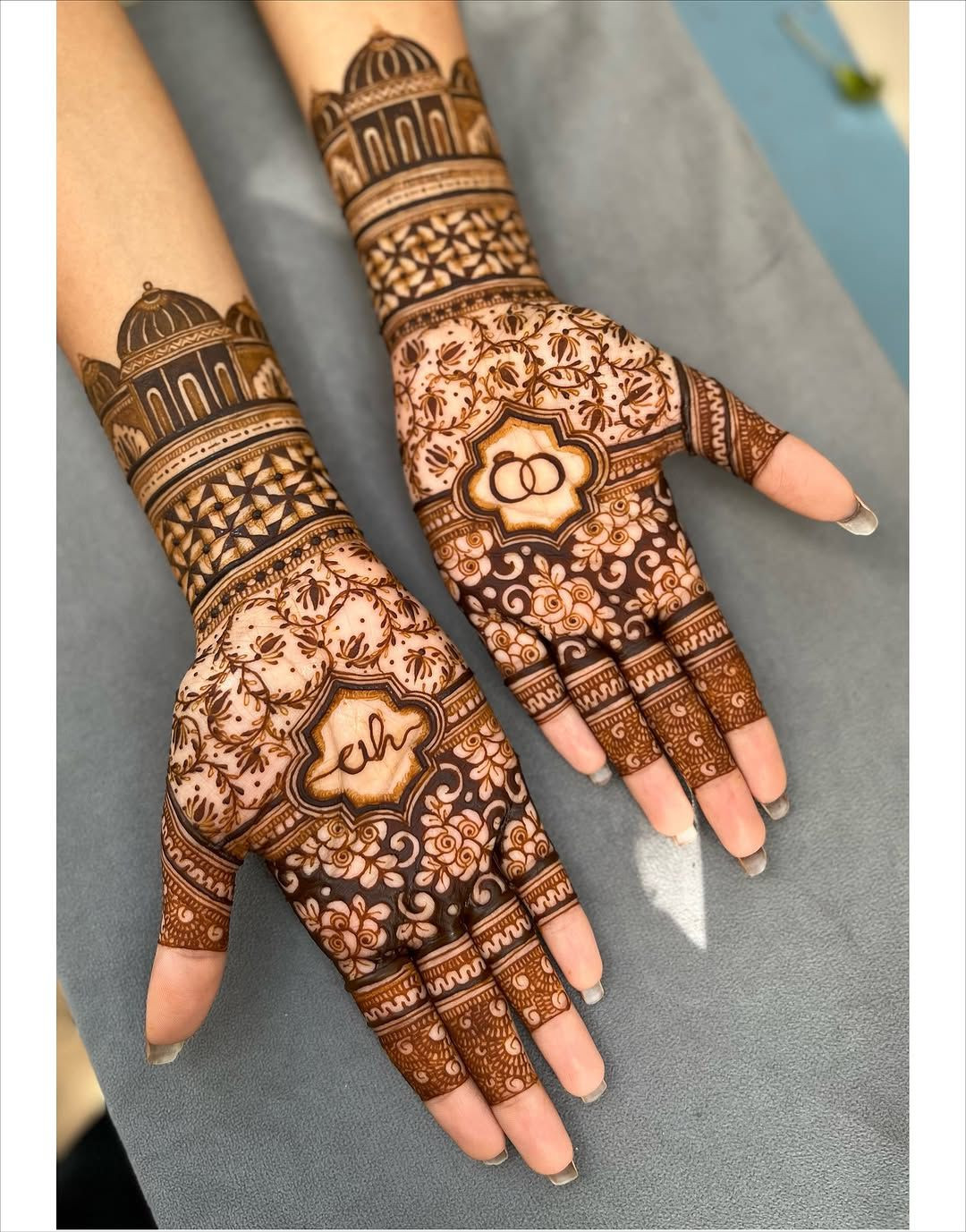
Modern brides are gravitating toward geometric accents that merge seamlessly with classic patterns. Chevrons, grids, triangles, and latticework add a sophisticated, architectural dimension. These accents can be delicately inserted between florals or used to frame the central design, elevating the overall composition and introducing a refined, structured element.
Bold Leafy Trails
Trailing leaves, often arranged along the fingers or cascading over the back of the hand, encapsulate natural beauty through free-flowing yet controlled lines. Their understated elegance suits both traditional and contemporary bridal looks, making them a versatile choice for brides seeking subtlety with a touch of artistry.
Statement Finger Detailing
Arabic mehndi is celebrated for creative finger designs. From stacked bands resembling ornate jewellery to sleek leafy patterns, these details lend the hands a striking finish. Brides increasingly opt for minimalist, negative-space finger motifs paired with more elaborate palm designs, achieving a balanced and modern look.
The Beauty of Negative Space
One defining quality of Arabic mehndi is its use of negative—or empty—spaces, allowing the skin to breathe between motifs. This thoughtful spacing not only highlights the elegance of each element but also complements lighter bridal ensembles and is ideal for summer weddings. The lighter finish ensures the beauty of the henna stands out without overwhelming the hands and feet.
Customized Motifs for a Signature Bridal Look
Modern Arabic mehndi artists are skilled at personalizing designs to reflect each bride’s story. Initials of the couple, symbolic motifs such as peacocks or wedding bells, and even miniature representations of memorable moments can be subtly woven into the design. Delicate lines, fine mesh patterns, and ornate wrist cuffs create a design that feels uniquely yours.
Brides can choose to echo details from their wedding outfit—such as dupatta borders, blouse embroidery, or jewellery motifs—within their mehndi. This harmonizes the overall bridal look, elevating it from beautiful to breathtaking.
Blending Traditional and Modern Influences
The contemporary bride often seeks a balance between respecting tradition and embodying her individuality. Arabic mehndi, with its origins in ancient artistry, now adapts to current tastes through creative combinations. Many brides are inspired to blend classic Indian motifs—like elephants, dulhan-dulha faces, or kalash—with distinctly Arabic features for a one-of-a-kind narrative.
The strategic use of both filled and outlined patterns introduces a fresh visual dynamic, giving brides the freedom to define their wedding look according to their personality—be it minimalist sophistication or ornate splendour.
Expert Tips for Choosing Your Arabic Mehndi Design
When selecting the perfect Arabic mehndi for your wedding day, consider both personal style and practicality. Here are some suggestions to guide your choice.
Begin with Inspiration
Start by gathering reference images that speak to you, from elegant Pinterest boards to real bride features. Pay attention to motifs, layout, and density, identifying which aspects align best with your overall wedding vision.
Involve Your Mehndi Artist
A professional mehndi artist can tailor the design to reflect your preferences, skin tone, and the length of time you want the design to last. Share your inspirations and discuss placement, ensuring the final look enhances your jewellery and bridal attire.
Consider Placement and Coverage
Arabic mehndi is versatile in application—from covering the entire arm and feet to partial designs that run diagonally or wrap around the wrists and ankles. Minimalistic brides may prefer delicate vines along the fingers, while those embracing grandeur can opt for full-arm masterpieces.
Think Beyond the Hands
Do not overlook the beauty of foot mehndi. Arabic motifs flatter both the top and sides of the feet, harmonizing beautifully with statement anklets and bridal sandals.
Pre-Wedding Preparation
To ensure your mehndi develops a deep, long-lasting stain, exfoliate gently before your mehndi session, keep the design dry for as long as possible after application, and avoid water or lotions. Natural oils such as clove or eucalyptus beneath the hands may further enhance the richness of the colour.
The Joy of Personal Expression
Your bridal mehndi is more than a temporary adornment—it is a canvas for expressing love, heritage, and dreams. Arabic motifs invite you to embrace creativity, customization, and timeless elegance. Whether you lean toward classic florals or daring geometric patterns, this modern approach celebrates every bride’s individuality.
A Well-Curated Look for Your Special Day
In your journey of wedding planning, selecting an Arabic mehndi design allows you to harmonize cultural roots with contemporary aesthetics. Let your chosen motifs speak to your personality, taste, and the memory you wish to create on your wedding day.
Embrace the artistry of Arabic henna, and let its intricate beauty add a touch of magic to every moment, from your pre-wedding festivities to the graceful celebration of your union. As you walk into your new chapter, may your beautifully adorned hands and feet reflect both the joy of tradition and the excitement of new beginnings.