South Indian Bridal Look: Complete Guide from Saree to Kasu Mala
ArticlesEmbrace South Indian elegance with step-by-step styling for the six-yard silk drape, exquisitely paired with iconic kasu necklaces and classic gold adornments. From color choices to intricate pleating and jewelry coordination, this walkthrough ensures a picture-perfect, culturally rich bridal transformation.
Steeped in heritage, the South Indian bridal look seamlessly blends time-honored customs with unmatched elegance. The iconic six-yard silk saree, often rendered in lush hues and intricate patterns, forms the heart of this mesmerising transformation. Adorned with enchanting kasu necklaces and heirloom gold jewels, a South Indian bride stands as a living testament to grace and tradition. For those drawn to the stunning beauty of this style, a step-by-step approach to draping, accessorising, and perfecting the ensemble can turn a cherished dream into a captivating reality. Let us journey through each essential element, ensuring a bridal vision that radiates both cultural richness and refined sophistication.
Choosing the Perfect Silk Saree for Your South Indian Bridal Look
The saree is more than just attire—it is a canvas of tradition, artistry, and personal expression. When selecting your bridal silk saree, consider three primary facets: color, weave, and motif.
Traditional silk sarees such as Kanjivaram, Mysore, or Gadwal are prized for their lustrous texture and enduring quality. Brides often gravitate toward rich jewel tones—deep reds, emerald greens, regal purples, and vibrant gold—each carrying auspicious meaning and complementing various skin tones. Delicate zari work, temple borders, paisleys, and mythological motifs add layers of cultural symbolism, while newer pastel palettes and two-tone combinations cater to contemporary preferences.
While luminous silks make a statement, comfort remains paramount. Test the saree drape beforehand to ensure ease of movement, especially as ceremonies can be extensive. Ultimately, your choice should honour tradition while reflecting your unique story.
Mastering the Six-Yard Drape: A Step-by-Step Guide
Draping a silk saree is an art form in itself, and nowhere is this more beautifully demonstrated than in the South Indian bridal style. The classic pleating and defined pallu (the decorative loose end of the saree) create a silhouette both regal and graceful.
Preparation is key. Begin with a well-fitted blouse and a matching silk or cotton petticoat that supports the saree’s weight. Secure the saree at the waist, ensuring it grazes the floor evenly all around. Now focus on creating neat pleats—normally about five to seven, each roughly equal in width, gathered at the centre and pinned to the petticoat for stability. Smooth, crisp pleats at the front help build that polished, picture-perfect drape.
The pallu is often pleated and pinned gracefully on the left shoulder, allowing its intricate patterns and embellishments to remain visible. Some brides prefer letting the pallu flow freely, its full beauty on display—this works especially well with heavily woven or embellished sarees. Carefully adjust the fall and fix with discreet pins to keep the saree secure throughout the festivities.
For many South Indian weddings, unique regional drapes—such as the Madisar or Coorgi style—highlight the bride’s familial or community traditions. Practising the drape beforehand or seeking a professional saree draper can elevate your final look.
Coordinating Blouses: Elegance Begins at the Top
The blouse is as integral as the saree itself. Classic styles feature high, round, or boat necklines with short or elbow-length sleeves, often adorned with zari, threadwork, or minimal embroidery. Brides may also choose unique back designs, deep necks, or contemporary sleeves to personalise the ensemble while keeping the spirit of tradition.
Rich hues such as maroon, gold, emerald, or contrasts like magenta with green bring vibrancy. The fit should be snug but comfortable, allowing for effortless movement during rituals and celebrations.
Cascading Pleats and Finishing Touches
Intricate pleating at the front creates a sophisticated fall, showcasing meticulous craftsmanship. Use a saree fall to reinforce the lower edge and enhance draping. Ensure pleats are evenly spaced, pinning from inside to offer structure without visible fasteners.
Once draped, run your hands along the length of the saree to settle fabric folds, ensuring a seamless appearance. Loose edges should be discreetly pinned to avoid mishaps, especially during exuberant wedding festivities.
Exquisite Adornments: Pairing Kasu Necklaces and Gold Jewellery
No South Indian bridal look is complete without the famed kasu mala—a traditional necklace composed of closely set gold coins. The kasu necklace symbolises prosperity, family tradition, and timeless beauty, making it a quintessential part of bridal jewellery.
When styling the kasu mala, consider the neckline of your blouse. The necklace should sit gracefully, neither completely covering the blouse work nor getting tucked under the saree pleats. For layered elegance, pair it with classic mango haaram, lakshmi haram, or temple-inspired chokers. Long, chest-grazing necklaces can be layered with shorter chokers for a regal effect, interspersed with pearl or coloured stone details to echo the saree’s palette.
Matching jhumkas or chandbalis, intricate vanki (armlets), kasu bangles, and traditional gold waist belts (oddiyanam) elevate the bridal look further. Each piece should be chosen not just for its beauty, but also for how it balances the overall appearance, ensuring the bride looks ethereal yet harmonious.
Coordinating Jewellery for Graceful Symmetry
South Indian bridal adornments rely on coordinated layering rather than mere accumulation. Choose pieces that echo the saree’s motifs, maintaining a sense of symmetry between left and right sides—earrings, bangles, and hair accessories should mirror each other.
Consider comfort as well; opt for lighter versions of heavy jewellery, especially if ceremonies will last several hours. Ear chains or ear cuffs add stability for elaborate earrings, while smaller nose pins, rather than large naths, can be both traditional and wearable.
Intricacies of Bridal Hair and Accessories
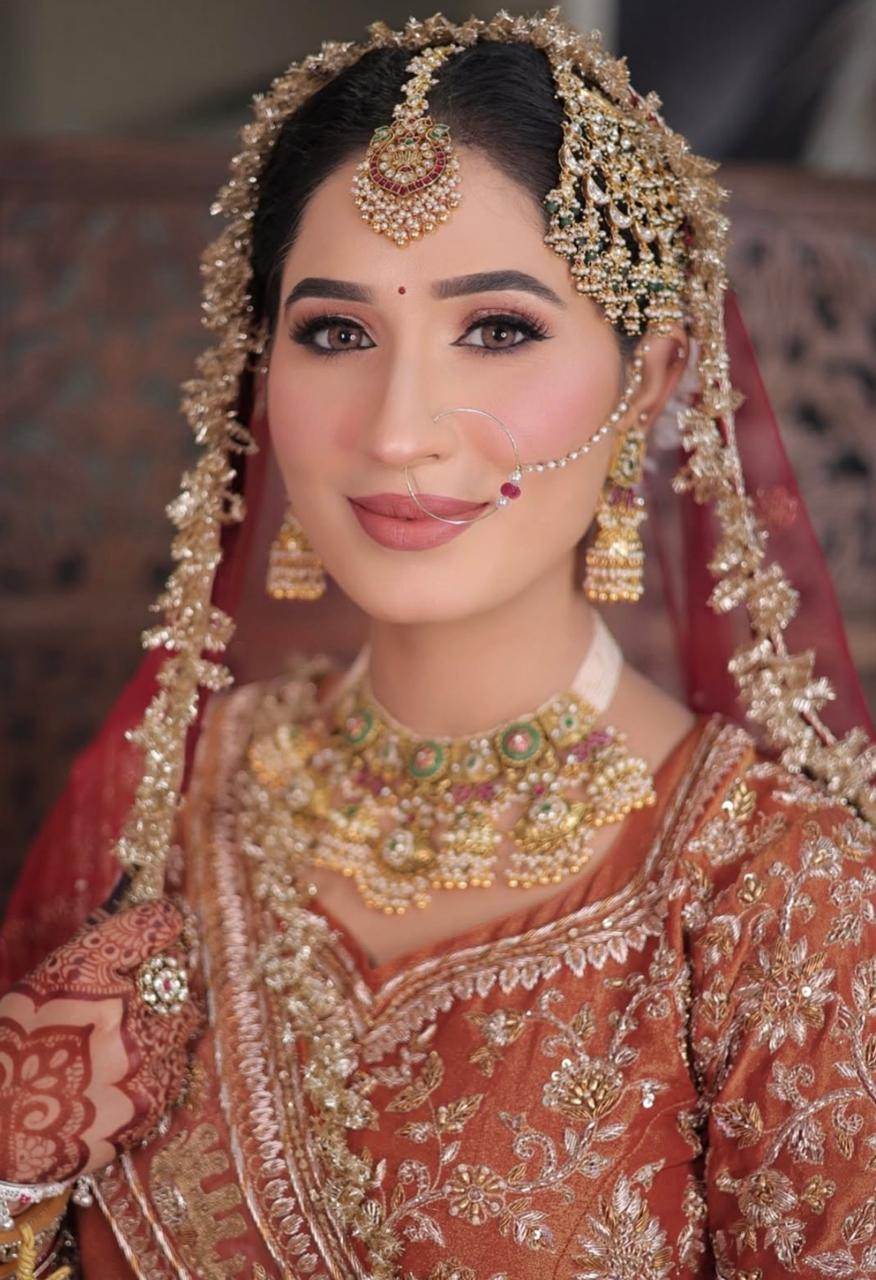
A beautifully draped saree and brilliant gold jewellery set the foundation, but bridal hair styling completes the ensemble. South Indian brides traditionally wear their hair in a long braid or bun, adorned with fresh jasmine flowers (mogra), gold or pearl hair ornaments, and sometimes a central maang tikka or nethi chutti. These adornments not only complement the jewellery but also draw focus to the bride’s radiant features.
A simple braid can be transformed with cascading flowers and ornate jada billas (braid pins). For buns, a gajra encircling the base is classic. Secure hair properly to withstand a full day of rituals and celebrations.
Makeup and Bindi: Final Touches of South Indian Splendour
Makeup for the South Indian bride is typically luminous and well-defined. Gold, bronze, or earthy hues for the eyes complement the richness of the saree and jewellery. A bold yet traditional red lip, kohl-rimmed eyes, and a gleaming bindi at the forehead centre perfect the look.
Consider waterproof, long-wear makeup products to ensure the bridal glow endures from dawn til dusk. The bindi, often circular and deep red or maroon, symbolises prosperity and completes the transformative look.
Tips for a Picture-Perfect Bridal Look
Start early: Allow ample time for saree draping, makeup, and jewellery so the process remains relaxed and memorable.
Conduct a trial run: Practise the full ensemble, from draping to makeup, to ensure perfect coordination and fit.
Prioritise comfort: Choose light but secure jewellery, manageable hair accessories, and a saree drape that accommodates movement and rituals.
Personalise with heirlooms: Integrate family jewellery or vintage sarees for added sentimental value and authenticity.
Capture the details: Work with your photographer to highlight the intricate pleats, jewellery layers, and motifs—these details immortalise your bridal story.
Embracing Heritage, Crafting Memories
A South Indian bridal transformation is more than aesthetic—it is a living celebration of legacy and love. The gleaming six-yard silk, carefully pleated and adorned, symbolises the strength of tradition and familial bonds. Each kasu necklace and gold ornament pays homage to cultural roots, while subtle modern touches express the bride’s individuality. By thoughtfully weaving together color selection, draping finesse, intricate pleating, and jewellery coordination, every bride can create an unforgettable, picture-perfect moment.
As you prepare for your wedding, let the timeless elegance of South Indian style inspire you. Embrace each detail, honour your heritage, and step into your new chapter radiating grace and splendour—a vision cherished in every photograph and memory for years to come.