Simple vs Heavy Bridal Mehndi: Which Suits Your Wedding Vibe?
ArticlesDiscover how to choose the ideal mehndi artistry for your special day – from delicate patterns that suit intimate celebrations to elaborate designs that enhance grandeur. This guide helps you select a style that harmonizes seamlessly with your wedding’s overall aesthetic.
Mehndi—the intricate artistry of henna applied gracefully on palms and arms—has long been a cherished ritual in Indian weddings. The allure of mehndi stretches far beyond tradition; it is a beautiful expression of love, beauty, and culture woven into one. As couples begin their wedding journey, selecting the right mehndi design becomes a vital artistic decision, one that carries deep meaning and lends grace to the celebration. Whether you are drawn to delicate motifs perfect for an intimate gathering or the grandeur of elaborate patterns for a larger affair, finding the ideal mehndi style can elevate your bridal look and enhance your wedding’s unique aesthetic.
Understanding the Role of Mehndi in Indian Weddings
Mehndi is more than an embellishment; it is an auspicious custom imbued with symbolism, grace, and romance. The ritual of adorning a bride’s hands and feet with mehndi signifies prosperity, joy, and new beginnings, believed to bring luck into the marital home. Over time, mehndi artistry has flourished with endless creativity—a harmonious blend of timeless tradition and fresh innovation. This opens up a world of possibilities for brides, grooms, and families to personalize their wedding celebrations.
Recognizing Your Wedding’s Aesthetic
Before you browse through design catalogues, pause to reflect on your wedding’s aesthetic vision. Is your celebration an intimate union amidst close family, or a grand spectacle filled with elaborate décor and regal themes? The nature of your celebration, venue, and chosen attire should all influence the style of mehndi you select.
For intimate weddings, minimalist motifs with delicate lines often enhance the feeling of closeness and understated elegance. Conversely, elaborate mehndi with sprawling patterns and intricate artwork may be best suited for weddings marked by grandeur and celebration. Aligning your mehndi design with your wedding aesthetic ensures a seamless, visually pleasing harmony on your big day.
Exploring Popular Mehndi Styles
Indian mehndi artistry encompasses an incredible range of styles, each with its own appeal and artistic language. Understanding the nuances of these styles will help you find one that resonates with you.
Traditional Indian Designs
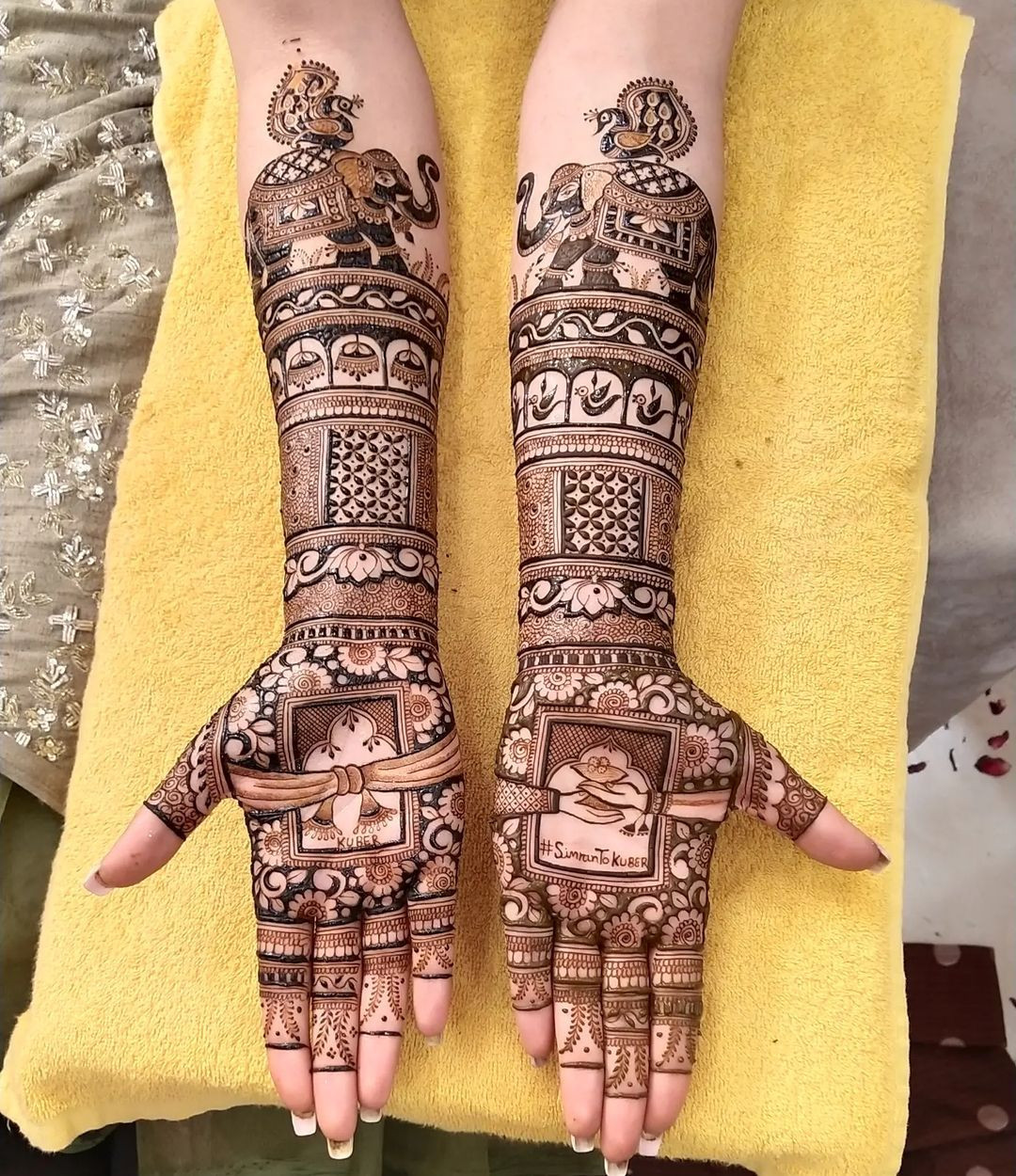
Rooted in heritage, traditional Indian mehndi patterns are rich with floral motifs, paisleys, and peacocks. Famed for their fine detailing and coverage that often extends all the way to the elbows and feet, these designs are ideal for brides who cherish classic elegance. Traditional patterns naturally complement regal bridal ensembles in silk, brocade, or velvet and are fitting for weddings exuding opulence.
Arabic Intricacy
Arabic mehndi styles are characterized by flowing vines, bold outlines, and empty spaces that create a striking contrast against the skin. These patterns are less dense but visually impactful, perfect for brides and guests who prefer a modern twist while retaining hints of tradition. Arabic designs can be adapted for both understated and lavish settings, effortlessly echoing the venue and décor.
Minimalist and Contemporary Motifs
Modern celebrations increasingly welcome minimalist henna—delicate motifs scattered on the fingers and the back of the hand, simple mandalas, or single vines that emphasize subtlety. If your wedding embraces minimalism or a contemporary ambience, such as a garden party, beachside affair, or boutique venue, these elegant designs will harmonize beautifully with the overall mood.
Fusion and Customization
Personalization has become a hallmark of contemporary Indian weddings. Fusion mehndi blends elements from diverse regions—combining Rajasthani intricacy with Arabic lines, or merging South Indian elements with modern motifs. Brides frequently incorporate meaningful details, such as the couple’s initials, wedding dates, or symbolic figures that speak to their love story. A customized approach ensures your mehndi artistry is as unique as your bond, and perfectly in tune with your celebration’s theme and spirit.
Matching Mehndi to Your Bridal Attire
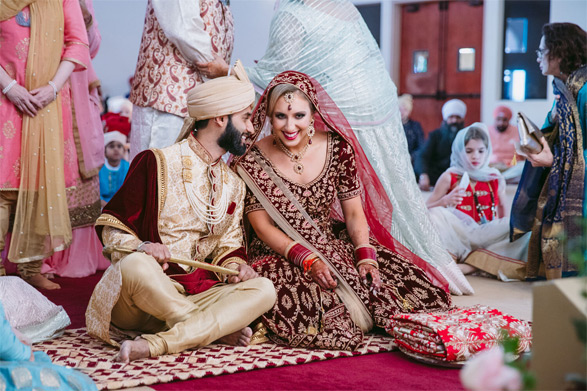
Your bridal ensemble and accessories offer inspiration for your mehndi artistry. If your attire features heavy embroidery or ornate jewellery, elaborate mehndi with dense patterns can mirror and enhance the magnificence of your look. For pastel lehengas, organza sarees, or lighter fabrics, dainty designs with soft curves and negative space create a balanced, ethereal impression.
Brides may also wish to extend their mehndi theme to accompany specific motifs in their outfits—such as lotus flowers, traditional jaali patterns, or temple-inspired motifs. This seamless connection between attire and mehndi produces a visually cohesive and refined appearance in photographs and personal moments alike.
Considering Your Wedding Scale and Setting
The size and mood of your celebration will influence the ideal mehndi style. For royal banquets, palace venues, or multi-day celebrations, intricate, full-hand designs signify luxury and festivity. Brides and immediate family members often opt for dense mehndi, allowing the patterns to stand out in grand backdrops.
For cozy gatherings or destination weddings, simplicity is often appreciated. Half-hand styles, wrist bands, or anklet-inspired mehndi offer the perfect accent for relaxed, informal settings. Additionally, subtle designs allow you more freedom to interact with guests, eat, and enjoy every moment without worry.
Practical Considerations for Choosing Your Mehndi
While artistic preferences are key, there are practical elements to keep in mind to ensure your mehndi experience is seamless and joyful.
Time Commitment: Elaborate, full-coverage patterns may require several hours to apply and dry, whereas minimalist designs are quicker. Plan your mehndi session keeping in mind your pre-wedding schedule.
Skin Sensitivity: Ensure only natural henna is used, especially for sensitive skin. Inform your mehndi artist of any allergies, and always request a patch test if unsure.
Seasonal Choices: For summer or monsoon weddings, lighter patterns allow skin to breathe and prevent smudging, while winter weddings can comfortably accommodate heavier designs.
Bridal Portraits: Choose designs that will photograph beautifully on your complexion and with your attire. Artists skilled in bridal mehndi can suggest patterns that enhance hand shapes, nail colours, or jewelry.
Collaborating with Your Mehndi Artist
Working with the right mehndi artist is pivotal for turning your vision into reality. When selecting an artist, review their portfolio to gauge their expertise with different styles and intricacies. Arrange a consultation to discuss your preferences, inspiration, and expectations. Sharing references that align with your wedding aesthetic will help your artist personalize the designs to your taste.
Communication is essential; clearly express your desired level of coverage, comfort, and any specific motifs you wish to include. An experienced artist will also advise on aftercare practices to ensure your mehndi stains beautifully and lasts well through your celebrations.
Coordinating Mehndi Looks for the Wedding Party
While the bride’s mehndi is the highlight, it is thoughtful to consider matching or complementary designs for family members and bridesmaids. For mothers or elder sisters, sophisticated motifs inspired by your own patterns foster a sense of unity. Bridesmaids may appreciate simpler or trendier designs, keeping the focus on the bride while still participating in the ritual.
Grooms too have embraced creative mehndi, often adorning their palms with subtle symbols, initials, or meaningful motifs. Coordinating these details, even in a minimal way, can create lasting memories and a coherent theme across all your wedding events.
Tips for Maintaining Your Mehndi Stain
Once your mehndi is applied, a few simple practices can help deepen and prolong its beautiful stain.
Avoid water for at least six hours after application
Gently scrape off dried henna instead of washing
Apply lemon-sugar mixtures or balms as recommended
Plan your mehndi session one or two days before your major celebrations for the richest hue
By following these tips, your mehndi can stay vibrant through all your wedding festivities, looking flawless in photographs and in cherished moments alike.
Crafting Lasting Impressions
Every wedding is an extraordinary narrative, and the artistry of mehndi is one of its most intimate chapters. By thoughtfully selecting a mehndi style that complements your wedding’s aesthetic, attire, and personal story, you set the stage for elegance, beauty, and harmony in every detail. Whether you aspire to the subtle charm of delicate motifs or the striking majesty of elaborate patterns, let your mehndi be a reflection of your celebration’s spirit and your unique love.
As you prepare for your special day, may your choices in artistry bring you confidence and happiness, and may each line and curve of mehndi add to the memories you will treasure for a lifetime.