Jagua vs Henna Mehndi: Which Lasts Longer and Looks Better
ArticlesUncover the secret behind two trending natural dyes—Jagua and henna—and their staying power for bridal celebrations. Explore how each technique transforms your hands with lasting depth and design elegance, helping you pick the ideal adornment to match your wedding vision.
A bride’s hands are her canvas, telling stories of love, tradition, and celebration at every turn. As wedding ceremonies evolve, so do the ways brides and grooms choose to adorn themselves for these special moments. Among the most cherished forms of natural body art, henna has long reigned as a symbol of festivity and good fortune. However, a new contender called Jagua is rising in popularity, offering brides-to-be and their families another exquisite option for unique and memorable bridal looks. Understanding the distinct beauty and staying power of these two natural dyes—Jagua and henna—can help you make an informed decision for your wedding celebrations, ensuring your hands reflect your personal style and wedding vision.
The Timeless Legacy of Henna
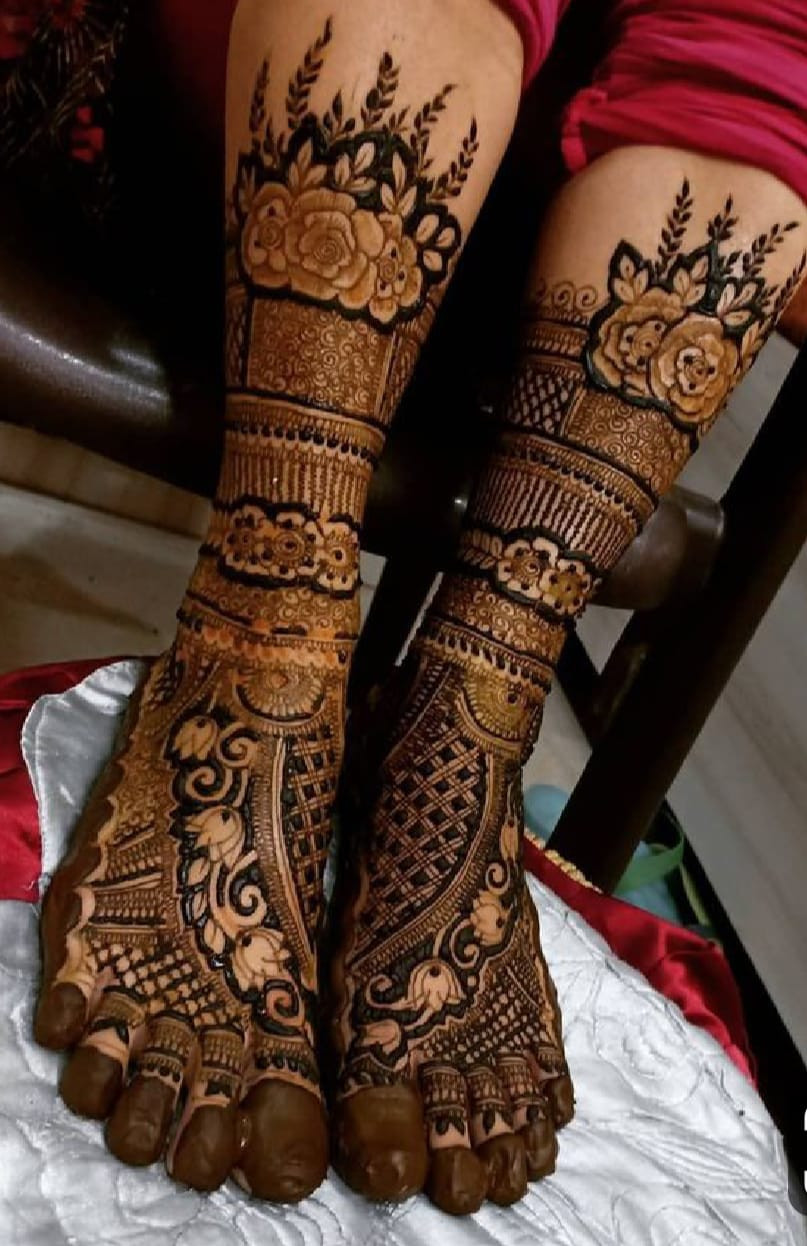
Henna, derived from the powdered leaves of the Lawsonia inermis plant, holds an age-old place in Indian wedding traditions. Its terra-cotta red hue weaves through bridal rituals with grace, marking auspiciousness and joy. The ritualistic Mehendi night is often one of the most anticipated pre-wedding festivities, where intricate henna designs adorn the hands and feet of the bride, symbolizing prosperity, luck, and the deep bond between partners.
Henna is celebrated not only for its cultural significance but also for its versatility. Artisans can create elaborate peacock motifs, paisleys, floral patterns, and even contemporary artwork, aligning the design with each bride’s personality and thematic wedding choices. The organic process, marked by the earthy scent of henna paste and the collective laughter of loved ones, imbues the celebration with warmth and tradition.
The Modern Allure of Jagua
Jagua, gaining attention in recent years, comes from the juice of the Genipa americana fruit native to South America. This blue-black natural dye introduces a strikingly different aesthetic while maintaining a similar application method to henna. For brides seeking to blend tradition with a touch of boldness, Jagua offers a modern twist.
The cool, inky shade of Jagua stains brings an instant elegance to any design. Its tones are reminiscent of permanent tattoos but remain temporary, lasting long enough to create impact throughout all wedding events. Jagua's ability to mimic the look of fine body art appeals to brides yearning for a more contemporary flair, beautifully complementing multi-day wedding festivities and stylish pre-wedding shoots.
Comparing Application Techniques
Both henna and Jagua are applied in similar fashions—with cones or applicator bottles that enable fine, detailed designs. After application, the paste sits on the skin to stain the top layer, and then is peeled or wiped away after drying. However, their experiences differ in important ways.
Henna paste, when fresh and natural, dries to a crumbly layer within short hours. It is commonly covered with a lemon-sugar solution to deepen the stain and prolong moisture. The initial stain appears orange, gradually deepening to its signature reddish-brown over the next 48 hours. The full depth of color reveals itself by the time wedding festivities unfold, lasting for up to two weeks with proper care.
Jagua, by contrast, goes on as a transparent or pale gel, turning deep blue-black after oxidizing on the skin. The resulting color emerges after 12 to 48 hours, transforming from faint blue to a rich, almost indigo hue. This longer development time is important for brides to note when scheduling their Mehendi or Jagua ceremonies. The final stain naturally fades over one to three weeks, depending on skin type and aftercare.
Staying Power: What Brides Need to Know
A defining question for any bride or wedding planner revolves around how long the chosen art will last—ensuring that the adornment remains vivid through celebrations and as the couple embarks on their new journey.
Henna’s coloration, when cared for with oil moisturizers and by avoiding harsh soaps, can retain its charm for up to 10 to 14 days. Brides find that the bridal henna often celebrates its peak beauty on the wedding day itself and gently fades in the days following—making Mehendi a perfect pre-wedding ritual.
Jagua’s stain typically boasts a similar lifespan, lasting between 10 days to 3 weeks. Its striking initial darkness appeals to brides who wish to make a contemporary style statement, especially for themed events or fusion weddings. Owing to its natural source, it is sought after by those desiring a botanical, chemical-free alternative that still packs a visual punch.
Both dyes respond to diligent aftercare. Protecting the design from water for at least six hours post-application, and moisturizing with natural oils, helps prolong the beauty of both henna and Jagua. Gentle handling during elaborate celebrations—such as bridal showers, sangeet, or pheras—means your chosen art remains a radiant part of your ensemble.
Design Elegance: Translating Vision Into Art
Selecting between henna and Jagua goes beyond color—it’s about the narrative you wish to express on your wedding day. Henna designs often celebrate Indian motifs, romantic tales, and even couple’s initials hidden within swirling patterns. With skilled artists, henna can be adapted for minimalistic styles or transformed into bold, full-hand statements, ensuring cohesion with your attire and theme.
Jagua, with its cool tones, enhances detailed line-work, modern minimalism, or geometric styles. Contemporary brides have embraced Jagua for its ability to create fashionable, picture-perfect designs. It pairs beautifully with embroidered lehengas, statement jewellery, and avant-garde bridal looks. Those who prefer a fusion touch can even opt for hybrid styles, blending elements of both henna and Jagua on different parts of their arms for a unique, personalized effect.
Health and Sensitivity Considerations
For all their beauty, safety remains paramount. Authentic henna and Jagua are generally safe for most skin types when sourced naturally and free from added chemicals or dyes. Brides with sensitive skin should always request a patch test ahead of their wedding week to ensure peace of mind.
Avoiding “black henna”—a compound sometimes laced with para-phenylenediamine (PPD)—is crucial, as it may cause adverse reactions. Jagua, by virtue of its rich hue, can create a similar effect to black henna but without the risks of synthetic alternatives. Partnering with experienced artists who use pure, high-quality ingredients assures a joyful, worry-free pre-wedding experience.
Choosing the Right Adornment for Your Wedding Vision
Ultimately, the decision between henna and Jagua is guided by your personal aesthetic, theme, and the story you wish to tell. If your heart leans toward tradition, with its motifs of joy and familial love, henna provides a soulful embrace of age-old rituals. If you seek a distinctive canvas, echoing a modern, global sensibility, Jagua could be your match, complementing contemporary bridal ensembles with effortless flair.
Consider the tone of your wedding, your attire colors, and the overall vibe you wish to create. For brides hosting multiple events, incorporating both dyes in different ceremonies—keeping henna for the main day and Jagua for pre-wedding parties—infuses your celebration with a sense of luxurious layering. Consult skilled body art experts well in advance, discuss your skin’s needs, and plan accordingly for optimal timelines and stain results.
Expert Tips for a Lasting Impression
To maximize the staying power and beauty of your chosen adornment, keep these practical suggestions in mind:
Schedule your application at least two days before the wedding for color maturity
Brush on a natural oil (like coconut or olive oil) after the paste removal to lock in moisture
Refrain from excessive water exposure, scrubbing, or swimming in the immediate days after application
Protect hands when handling strong cleaning agents
Consult with your artist about aftercare routines tailored to the natural dye selected
Blending Tradition with Modernity
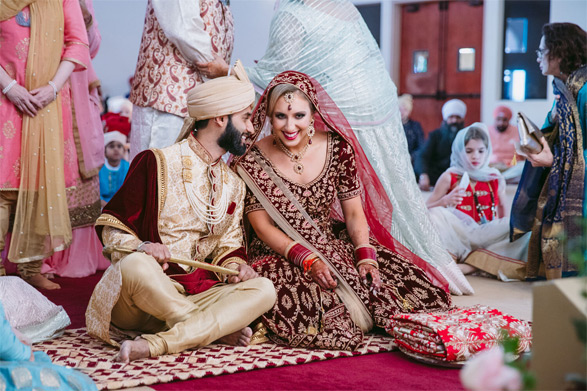
Today’s Indian weddings are celebrations of identity—honoring heritage while embracing innovation. Whether you are drawn to the tradition-soaked charm of henna or the striking modernity of Jagua, both dyes offer a canvas to showcase your unique taste. Each application becomes not just a part of your wedding attire, but a memory immortalized in design and color, caught in every glance and photograph.
With the right choice and care, your hands will tell a story of elegance that lingers long after the final vows. Selecting between henna and Jagua is not just about color or trend—it is about crafting the bridal look that feels most true to you, ensuring your wedding is as beautiful and unforgettable as the love it celebrates.