How to Choose the Right Wedding Date Based on Seasons and Festivals
ArticlesPlan your dream wedding by aligning your date with the perfect season and cultural festivities. This guide offers season-by-season tips and festival insights to help you choose an auspicious, weather-friendly day that honors traditions and ensures an unforgettable celebration.
The Ultimate Guide to Choosing the Perfect Wedding Date: Seasons, Festivals and Auspicious Timing
Planning an Indian wedding is as much about tradition and timing as it is about dreams and details. One of the most important decisions a couple makes is choosing the perfect wedding date—a day that not only reflects their love story but also aligns with cherished customs, favorable weather, and joyful festivities. Selecting a date is not just arranging an event; it’s about setting the tone for your marital journey and inviting prosperity, happiness, and harmony into your new life together.
This comprehensive guide helps you navigate the seasonal nuances, cultural calendars, and auspicious timings so you can choose the ideal date for your dream celebration. Whether your heart is set on a grand monsoon affair or a vibrant ceremony during a major festival, let’s discover how each season and cultural event can shape your special day.
Understanding the Value of Timing in Indian Weddings
In Indian culture, the importance of auspicious timing (muhurat) cannot be understated. Families work closely with priests and astrologers to select dates that are considered most favorable for marital bliss. Beyond tradition, practical considerations like climate, venue availability, and the festival calendar play a key role. Balancing these factors ensures your wedding is memorable for all the right reasons—pleasant weather, high attendance, and a meaningful connection to your heritage.
Indian Wedding Seasons: The Pros and Cons
1. Winter Weddings (November to February)
Why Winter Reigns Supreme:
Winter is the most sought-after wedding season in India. Mild, pleasant weather ensures outdoor functions are enjoyable, allowing for regal décor, dreamy photographs, and elaborate ceremonies under the open sky.
Key Advantages:
- Comfortable temperatures for guests and elaborate attire
- Flowers remain fresh, enhancing décor
- Abundant availability of seasonal delicacies for catering
- Festive vibe due to holidays like Christmas and New Year’s
Considerations:
- High demand for venues and vendors; book early
- Some regions experience fog or chilly evenings—plan accordingly with heating arrangements
- Prices might be higher due to peak season
2. Spring Weddings (March to April)
Why Spring is Enchanting:
Spring brings a renewed energy—think lush gardens, fragrant flowers, and pastel hues. The climate is delightful, perfect for day functions and garden parties that exude charm.
Key Advantages:
- Mild, enjoyable weather
- Blossoming flora ideal for floral themes
- Less crowded than the winter rush
Considerations:
- Longer daylight hours are ideal, but summer heat starts creeping in by April in some areas
- Popular exam season for students; check availability of loved ones
3. Summer Weddings (May to June)
Why Some Prefer Summers:
While Indian summers can be intense, destination weddings in cooler hill stations or coastal towns offer a stunning and unique alternative. Intimate, off-season ceremonies allow for more flexibility and creative themes.
Key Advantages:
- Lower demand, so better deals on venues and vendors
- Option for indoor or poolside functions
- Perfect for cozy, private gatherings
Considerations:
- Harsh heat in the plains; choose locations wisely
- Plan hydration stations and ensure comfortable attire for guests
4. Monsoon Weddings (July to September)
Why Monsoons are Magical:
Monsoon weddings are synonymous with romance—the scent of wet earth, dramatic skies, and vibrant greenery. Offbeat yet unforgettable, a monsoon wedding offers the allure of exclusivity.
Key Advantages:
- Lower venue and vendor costs
- Exclusive availability of unique monsoon blooms
- Distinctive themes and backdrops
Considerations:
- Unpredictable rain; prioritize indoor venues or arrange waterproof decor
- Transportation can be challenging; keep logistics simple
- Humidity may affect attire and makeup—think lightweight fabrics and water-resistant options
5. Autumn Weddings (October)
Why Autumn is Rising in Popularity:
Just before peak winter and after the retreat of the monsoons, autumn offers clear skies and moderate temperatures. Festive spirits soar, especially during the run-up to Diwali.
Key Advantages:
- Comfortable weather with minimal rainfall
- Opportunity to use rich, festive color palettes
- Inspiring décor with seasonal flowers and lights
Considerations:
- Popularity rising, so book early
- Coordination around festival preparations may be needed
Aligning Your Wedding with Indian Festivals
Integrating wedding celebrations with traditional festivals amplifies the joy and spiritual significance of the occasion. Many families believe getting married around festivals brings added blessings and community participation.
Major Indian Festivals to Consider
1. Diwali (October–November):
The festival of lights symbolizes new beginnings. Weddings during Diwali are vibrant, with dazzling decor, grandeur, and auspicious symbolism. The festive spirit ensures high energy and elaborate rituals.
2. Akshaya Tritiya (April–May):
A day marked by prosperity and favorable for all new beginnings, weddings on Akshaya Tritiya are considered highly auspicious, often not requiring a separate muhurat.
3. Holi (March):
Weddings around Holi have an innate vibrancy—incorporate color-themed festivities, playful haldi ceremonies, and a burst of joy.
4. Makar Sankranti (January):
This harvest festival heralds longer days and fresh starts, making it an uplifting time for matrimonial celebrations, especially in northern and western India.
5. Navratri/Dussehra (September–October):
A nine-day festival devoted to the divine feminine. Many families prefer wedding dates just after Navratri, believing it brings strength and blessings.
Note: While festivals enhance the grandeur, ensure logistics like guest availability and accommodation are addressed, as festive seasons see high travel and local events.
Auspicious Dates: The Role of Mahurat in Indian Weddings
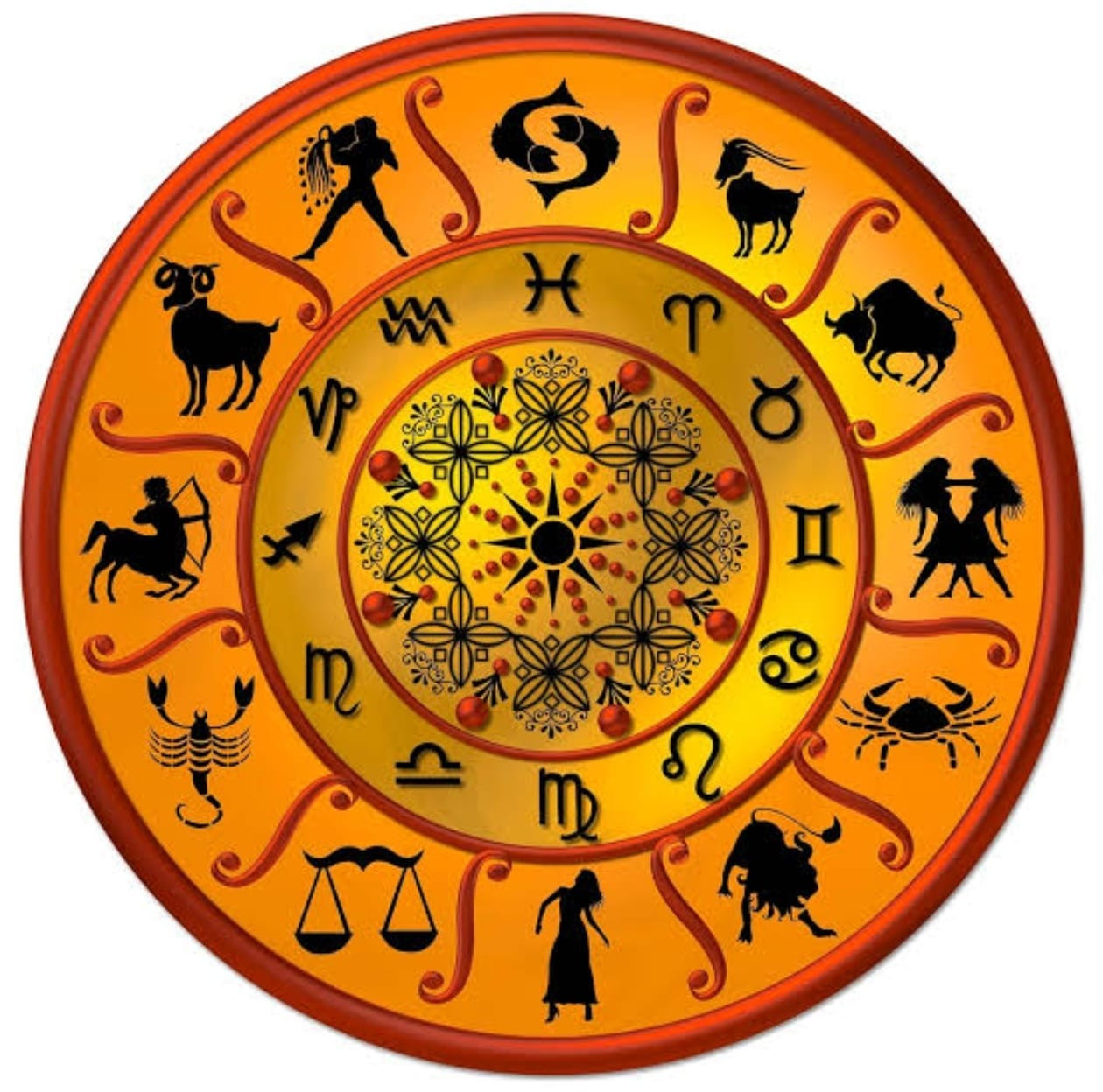
In most families, the mahurat is the defining criterion for picking a wedding day. Astrologers calculate auspicious dates and times based on the couple’s horoscopes and the Hindu calendar (Panchang).
Tips for Selecting a Mahurat
- Consult a trusted family priest or astrologer early in your planning
- Get a shortlist of potential dates and cross-check with family commitments
- Once the muhurat is set, reserve your venue and vendors at the earliest
Non-Mahurat Dates
Some couples prefer non-mahurat dates for flexibility or personal reasons, especially for destination weddings. With thoughtful planning and blessings, weddings on these dates can be just as joyful and harmonious.
Practical Tips for Choosing Your Wedding Date
1. Consider Guest Comfort
Factor in public holidays, school vacations, and busy work seasons to ensure your loved ones can join your celebration, especially those traveling from afar.
2. Think About Your Venue & Vendor Availability
Peak seasons mean popular venues and top photographers get booked months (even years) in advance. Begin your search as soon as you narrow down preferred dates.
3. Weather-Proof Your Plan
Always have a backup plan, especially for outdoor events—marquees, indoor alternatives, and contingency décor can save the day in case the weather takes an unexpected turn.
4. Budget Smartly
Wedding costs can vary dramatically by season. Off-peak dates may offer better value and more choices in décor, entertainment, and catering.
5. Honor Family Traditions
Balancing the wishes and beliefs of both families adds harmony to the celebration. Involve elders early in the discussion for a seamless, joyous agreement.
Creating Memories Beyond the Calendar
Remember, your wedding date is more than a day—it’s the beginning of your new story, anchored in love and culture. Whether you prioritize tradition, romance, weather, or family convenience, trust your instincts and celebrate what feels most meaningful for you both.
Conclusion: Setting the Foundation for a Beautiful Future
Choosing the perfect wedding date is a beautiful blend of tradition, practicality, and personal aspiration. By considering the season, aligning with significant festivals, and seeking auspicious timings, you ensure your wedding is not only a magical celebration but also a harmonious start to your married life. Embrace the unique character that each season brings, honor your heritage, and cherish the journey of planning. May your chosen date be blessed with love, prosperity, and cherished memories—setting the perfect tone for your happily ever after.