25 Stunning Arabic Designs for Mehndi in 2026
ArticlesDiscover breathtaking Mehndi art that blends tradition with contemporary flair. From bold strokes to intricate motifs, each Arabic-inspired pattern adds a touch of elegance to your bridal canvas. Perfect for 2026 celebrations, these designs promise to make your wedding day truly memorable.
In the vibrant tapestry of an Indian wedding, Mehndi art holds an esteemed place, weaving together elements of beauty, tradition, and personal expression. As the hands of the bride and her entourage are adorned with beautiful patterns, Mehndi reveals itself as an intimate celebration of heritage and individuality. For the upcoming wedding season of 2026, Arabic Mehndi designs are emerging as the perfect blend of timeless grace and contemporary sophistication. With their bold strokes, sweeping vines, and delicately placed motifs, these designs promise not just to embellish, but to transform the bridal canvas into a masterpiece of memories.
The Allure of Arabic-Inspired Mehndi
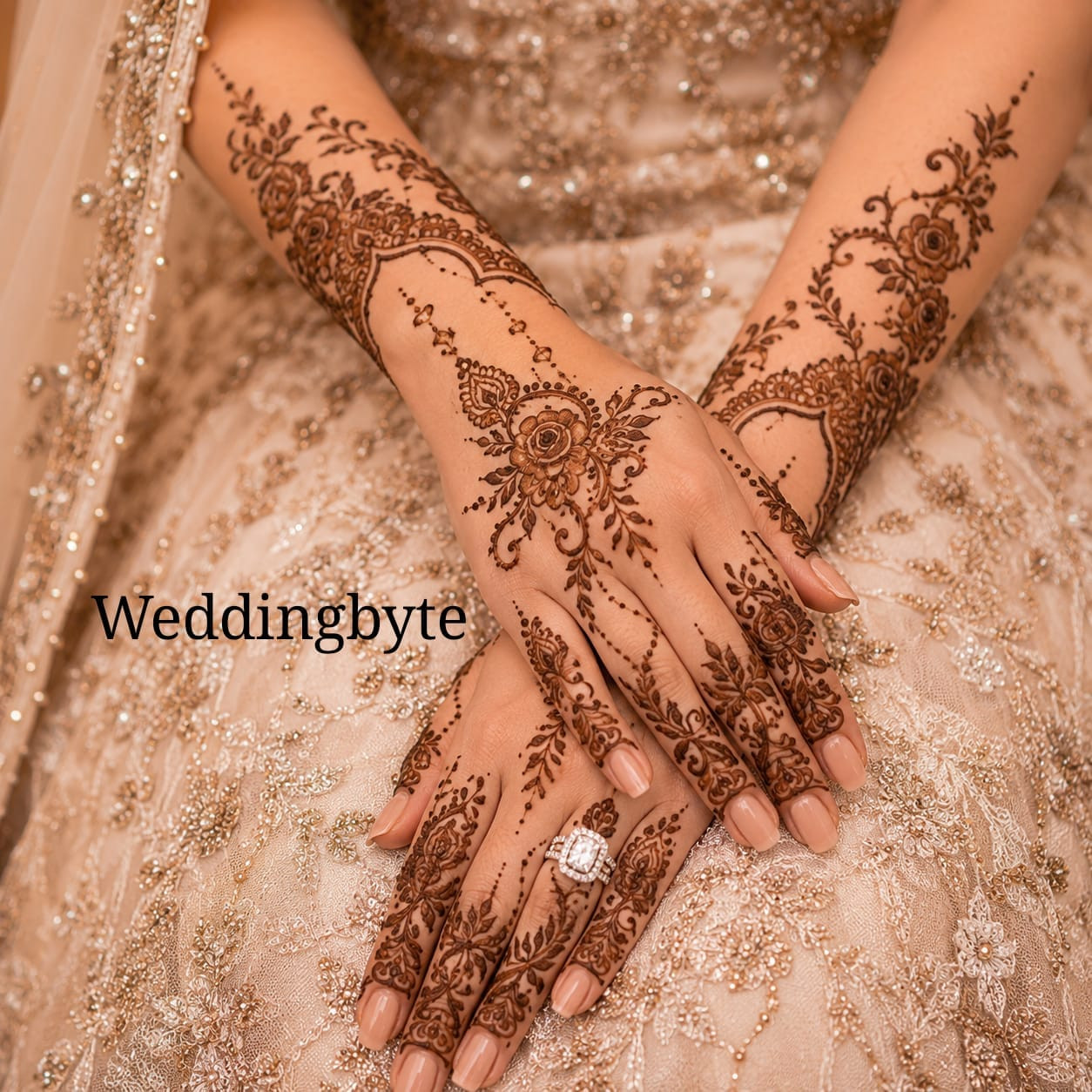
Arabic Mehndi has long been cherished for its distinctive style—less dense than its Indian counterpart, yet no less enchanting. Characterized by spacious patterns and flowing lines, Arabic designs offer a refreshing twist for modern brides seeking harmony between heritage and artistry. These motifs often feature floral trails, leafy vines, paisleys, and geometric accents, resulting in designs that feel both dynamic and effortlessly elegant.
What sets Arabic Mehndi apart, especially for weddings, is its ability to enhance without overwhelming. The designs elegantly frame the hands and feet, allowing the natural skin tone to peek through. This delicate contrast exudes sophistication and complements bridal couture styles, from traditional lehengas to contemporary sarees and fusion ensembles.
Bold Strokes: The Signature of Modern Elegance
For brides yearning for Mehndi that stands out in wedding photographs and makes an impression at every ceremony, bold strokes are a defining choice. Wide, confident lines add structure to the design, making each motif pop, while maintaining a refined aesthetic. These strokes can be artfully used to anchor classic Arabic elements like roses or lotuses, blending seamlessly with smaller, intricate details.
To accentuate the bridal look, consider combining bold patterns along the wrist or forearm, tapering into finer motifs toward the fingertips. This graduated style frames the jewellery and bangles beautifully and pairs well with both traditional and minimalistic accessories. Brides can also request personalized motifs—such as initials or symbolic shapes—integrated within the bold framework, adding a private, meaningful touch to the design.
Intricate Motifs: A Canvas of Tradition
While bold strokes attract attention, the intricate motifs are the soul of Mehndi art. Paisleys, mandalas, delicate florals, and miniature checks are classical elements that lend depth and storytelling to every pattern. In the hands of a skilled artist, these fine details can evoke nature, spirituality, romance, or even echo the embroidery of the bridal ensemble.
For a modern bride, intricate motifs allow for customization. Whether it's a sprawling peacock symbolizing love, lotus blossoms that represent purity, or patterns that mimic the wedding venue’s decor, the options are endless. To highlight these motifs, opt for slightly negative spaces around them. This enhances their definition, allowing wedding photographers to capture every line and swirl with stunning clarity.
Blending The Old and The New: Trendsetting Mehndi Ideas for 2026
The beauty of Arabic Mehndi lies in its adaptability. For 2026 weddings, contemporary trends are encouraging brides to experiment with fusion styles—merging time-honoured Indian symbols with modern geometric accents. This could include integrating grids, chevrons, or even abstract shapes that echo the architectural elements of the wedding venue.
Another rising trend is the placement of the Mehndi. While traditional designs cover the full palm and feet, modern brides are exploring innovative areas—like the back of the hand, the sides of the fingers, or even the arms, akin to elegant, temporary tattoos. These placements offer a striking canvas for both minimalist and elaborate patterns, ensuring every bride finds a design that resonates with her personality.
Color Play: Moving Beyond the Classic
Though the signature brown of Mehndi powder remains a favorite, subtle splashes of color are making their way into bridal art for the upcoming seasons. Some artists use a hint of white Mehndi to outline motifs or add metallic touches using safe, bridal-friendly paints and glitters. When used with restraint, these accents catch the light and add an ethereal dimension to the design, perfect for brides who desire a little extra sparkle for their celebrations, pre-wedding photoshoots, or sangeet nights.
Tips for Selecting the Perfect Bridal Mehndi Design
With so many beautiful options available, choosing the right Mehndi art can seem overwhelming. Consider these practical guidelines to find a design that fits your bridal vision.
Reflect on your wedding theme: If your celebration includes specific cultural or seasonal elements, request motifs that echo those themes. For instance, floral patterns for a garden wedding or paisleys for a traditional ceremony.
Balance with your outfit: Match the density and scale of your Mehndi to your outfit’s detailing. Heavily embroidered attire pairs wonderfully with simpler Mehndi, while minimalist attire allows for more intricate, statement-edged patterns.
Consider comfort and lifestyle: Since Mehndi will remain visible for several days, select patterns that are comfortable and blend well with your day-to-day look following the wedding.
Consult your artist: Share your inspirations, favorite motifs, and any allergies or sensitivities you may have. A skilled Mehndi artist can adapt designs to suit your preferences, ensuring both beauty and comfort on your special day.
Make room for personalization: Elements like initials, wedding dates, beloved pets, or shared symbols can be subtly woven into the Mehndi, giving it a uniquely personal touch that is sure to delight both bride and groom.
Caring for Your Mehndi: Achieving the Perfect Stain
Every bride dreams of a deep, long-lasting Mehndi stain. To ensure your art looks its best on the big day, follow these bridal care tips:
Have your Mehndi applied at least 24 to 48 hours before the wedding functions begin, allowing the color to deepen naturally.
Keep your hands and feet warm; gentle warmth encourages the dye to develop intensely.
Avoid washing the area with soap immediately after removal; instead, scrape off the dried paste and apply natural oils like coconut or clove.
Limit water exposure in the first day or two, resuming normal routines once the color has matured.
Capturing the Bridal Essence Through Mehndi
At its heart, Mehndi is more than a decorative art; it is an expression of bridal joy, love, and the beginning of a shared story. As Arabic-inspired designs evolve, merging boldness with intricate beauty, each bride is offered the opportunity to grace her wedding celebrations with art that is as unique as her own journey.
The Mehndi ceremony itself is a cherished prelude to the nuptials—filled with laughter, music, and the warmth of friends and family. Through careful selection of designs that reflect both personal taste and cultural roots, brides can elevate this occasion into a celebration that lingers long after the paste has faded.
As you step into your 2026 wedding, let your Mehndi be a radiant testament to tradition reimagined. Embrace patterns that speak to your heritage and your heart, knowing that every bold stroke and intricate swirl is part of an unforgettable bridal portrait. With thoughtful choice and a touch of creative flair, your Mehndi will not only beautify your hands and feet but also infuse your day with meaning, harmony, and timeless elegance.