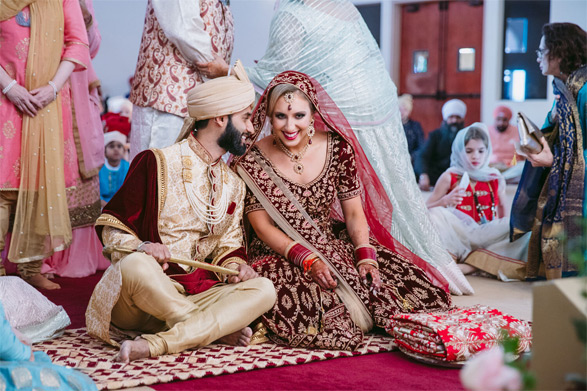

10 Expert Tips to Plan Your Wedding Stress Free
ArticlesKickstart your wedding preparations with tried-and-true insights from seasoned experts, turning daunting tasks into delightful moments. From vendor coordination to seamless scheduling, these proven strategies will keep you calm, organised and fully immersed in the joy of your celebration.
Kickstart Your Wedding Preparations: Expert Strategies for Calm, Organization, and Joy
The journey to your wedding day is a tapestry woven with dreams, anticipation, and a myriad of decisions. For Indian brides, grooms, and families, preparations begin months before the big day, encompassing rituals, traditions, and celebrations unique to every culture and region. While the process holds the promise of cherished memories, it may also appear overwhelming—multiple vendors, intricate rituals, and a packed schedule can easily tangle your peace of mind. But with expert guidance and time-tested strategies, even the most daunting wedding tasks can transform into delightful milestones, letting you savor every moment.
In this guide, discover how to use professional insights to streamline every aspect of your Indian wedding planning. From thoughtful vendor coordination to effective scheduling, these actionable tips are crafted to keep stress at bay and the joy of your celebration at its heart.
Begin with a Vision: Foundation for a Seamless Celebration
Every beautiful wedding starts with a clear vision. Before lists and timelines, allow yourselves a moment to dream—intimately and honestly. Discuss with your partner the themes, rituals, and experiences that matter most to you. Are you envisioning a traditional grand celebration or an intimate contemporary soiree?
Expert Insight:
A vision board (digital or physical) can help unify your thoughts, whether it’s the vibrant colors of a Mehendi ceremony, the serenity of a temple wedding, or the luxury of a palace backdrop. This foundational exercise acts as a guiding light while navigating later decisions.
Building Your Dream Team: The Art of Vendor Coordination
With a vision in hand, building the right vendor team is your next cornerstone. Indian weddings often involve multiple professionals—decorators, caterers, musicians, photographers, mehendi artists, makeup experts, and more. Synchronized teamwork among these vendors is essential for a harmonious celebration.
Shortlisting and Selection
1. Early Research: Begin research well in advance, reading reviews, viewing portfolios, and assessing past work.
2. Personal Meetings: Whenever possible, schedule face-to-face (or video) meetings with shortlisted vendors. This not only helps you gauge their professionalism but also builds rapport.
3. References: Seek references from recently married friends or family whose style aligns with yours.
Clear Contracts and Communication
Expert Tip:
From the outset, clarify all deliverables, timelines, payment schedules, and cancellation policies. Maintain email trails or organized digital folders for every agreement and discuss contingency plans for unforeseen scenarios.
Coordinated Planning Sessions
Schedule joint meetings with vendors whose work overlaps—such as decorators and lighting specialists, or caterers and site managers. This approach fosters collaboration, reducing chances of last-minute hiccups and allowing blended ideas to shine.
The Power of Planning: Creating a Realistic Wedding Timeline
A seamless celebration relies on thoughtful scheduling. Whether your festivities span one day or a joyful week, having a master plan ensures each ritual and event receives its due attention—and that you, the couple, remain at the center.
Drafting Your Wedding Calendar
1. List Major Events: Note each ceremony and function—Haldi, Mehendi, Sangeet, Wedding, Reception, and any pre- or post-wedding poojas.
2. Allot Timeframes: Assign realistic durations not just for celebrations, but also for travel, breaks, and touch-ups between events.
3. Buffer Periods: Always add buffer time. Indian weddings are known for their exuberant pace, but occasionally, celebrations linger—let your schedule flex without anxiety.
Digital Tools and Checklists
Modern couples benefit immensely from digital tools tailored for wedding planning. Shared calendars, to-do list apps, and spreadsheets keep everyone aligned—bridal party, family, and vendors alike. Update these regularly, and delegate tasks wherever feasible, so the organizational load is well-distributed.
Stress-Free Vendor Coordination: Expert Recommendations
Vendor management can be a tremendous source of joy if approached systematically.
Designate a Point of Contact
Instead of handling every question or minor hiccup personally, appoint a trusted point of contact—an organized friend, sibling, or even a professional coordinator. This liaison can field routine queries, giving you space for bigger decisions and personal enjoyment.
Centralize Vendor Details
Maintain a well-organized folder, physically or online, with all vendor contacts, timelines, contracts, and crucial notes. If every participant can refer to one clear source of information, coordination becomes efficient and miscommunications are minimized.
Schedule Final Walkthroughs
One or two weeks before the wedding, arrange a collective walkthrough at your venue(s) involving all major vendors. Reviewing the event flow, entry-exit logistics, sound checks, or food tastings together ensures everyone shares the same vision for your big day.
Immersing in Traditions, Planning with Precision
The richness of Indian weddings lies in their rituals, symbolism, and familial bonds. While logistics are critical, so is honoring custom and sentiment.
Expert Insight:
Compile a rituals checklist in consultation with your priest or family elders. Knowing the sequence and requirements of each ceremony—in terms of items (samagri), time, and participants—ensures you never miss a meaningful detail, and that all generations feel valued.
Respecting Family Roles
Involve close family members early on, assigning roles according to their strengths and interests. Grandparents may relish overseeing traditional ceremonies, while younger cousins might take charge of entertainment or social media. Assigning meaningful responsibility builds stronger memories and lightens your own workload.
Cultivating Calm: Emotional Wellbeing During Wedding Planning
Even the most meticulously planned weddings can encounter the unexpected—a delayed vendor, shifting guest lists, or even the weather. Managing these gracefully requires inner calm, flexibility, and the ability to refocus on what truly matters: the love and union at the center of your celebration.
Practices for Peace
1. Scheduled Downtime: Carve out moments each week for personal relaxation—spa visits, nature walks, or meditation can do wonders for your wellbeing.
2. Open Communication: Keep dialogue open with your partner and family. Sharing concerns early prevents misunderstandings later.
3. Celebrate Small Wins: Each checked-off task—finalized guestlist, confirmed photographer, chosen lehenga—is a milestone worth acknowledging.
Final Flourishes: Creating Joyful Memories
With robust organization and clear communication, you unlock more time and headspace to savor every ritual and gathering. Capture candid moments, share laughter during planning sessions, and invite loved ones to contribute their creativity. Ultimately, a wedding well-planned is not just an event, but a joyful journey.
Conclusion: Savor Every Step
Your wedding celebration is a symphony of tradition, love, and artistry. By embracing expert insights and time-tested strategies, the path to your big day can be as joyful as the event itself—ordered, calm, and wholly enriching. Let your preparations reflect both your heritage and your hopes, leaving you free to fully immerse in every cherished moment.
Whether you’re a bride, groom, or planner, the right approach to organization and coordination doesn’t just ease stress—it elevates your entire experience, transforming all the ‘to-dos’ into treasured memories. Begin early, communicate clearly, and above all, savor the journey. The celebration of a lifetime awaits.